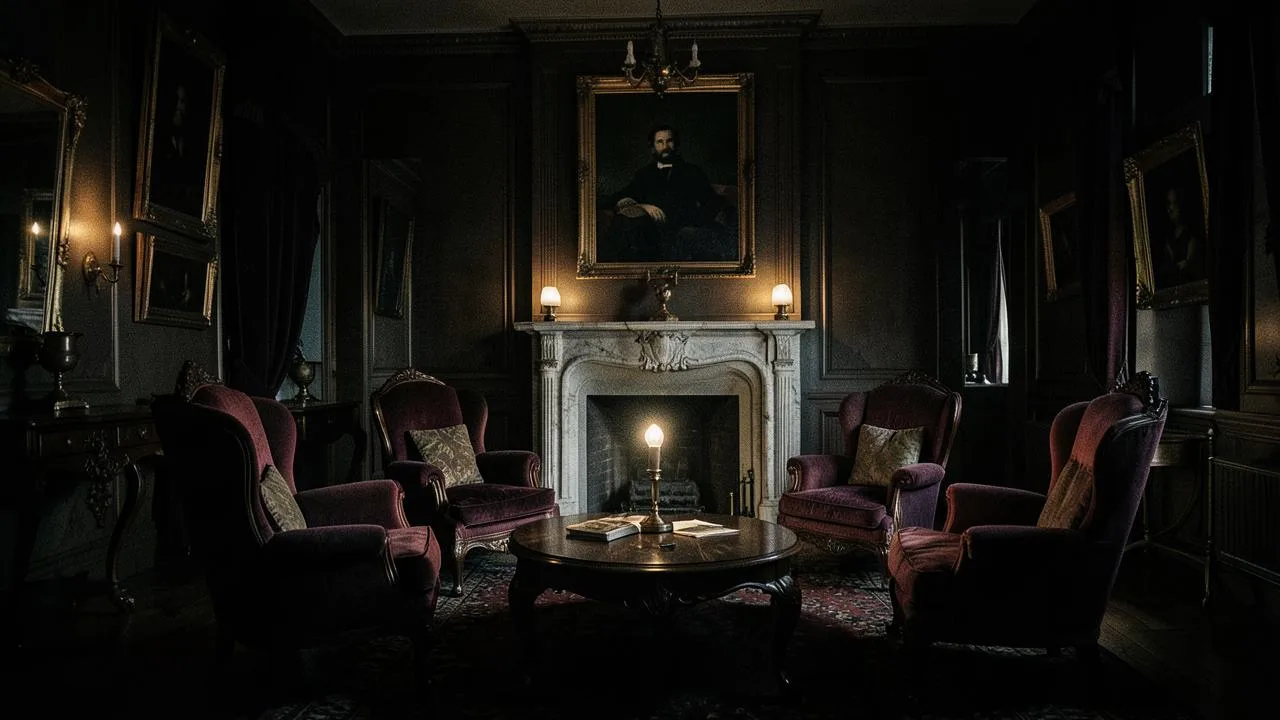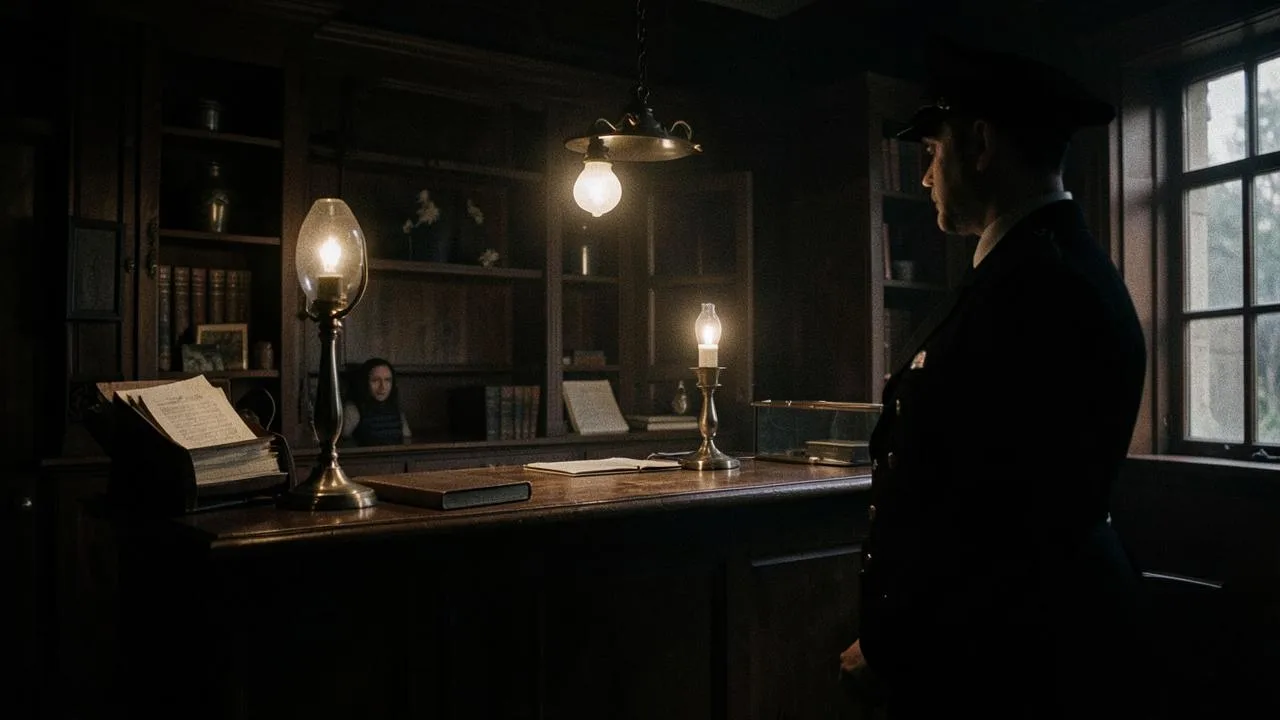
Questioning without a right answer
Writing conversations where silence carries as much weight as a question, and no option is simply correct.
No right answer
An interrogation in Legends of Justice has no right answer. Some questions open one door and close another, and silence can reveal more than a question.
We removed anything resembling a score. No meter fills and no tone confirms that you chose correctly. Instead, the person remembers how you treated them, shaping what they reveal next time.
Silence as a response
The hardest part was making silence a visible choice. The solution was simple: it always appears last in the list, without explanation. Choose it and you see the other person's face for a few seconds, nothing more.
What we learned
- Four options are too many; three are enough.
- An interrogation should be able to end without anything decisive being said.
- Consequences should surface later, not immediately after the line.
Further entries
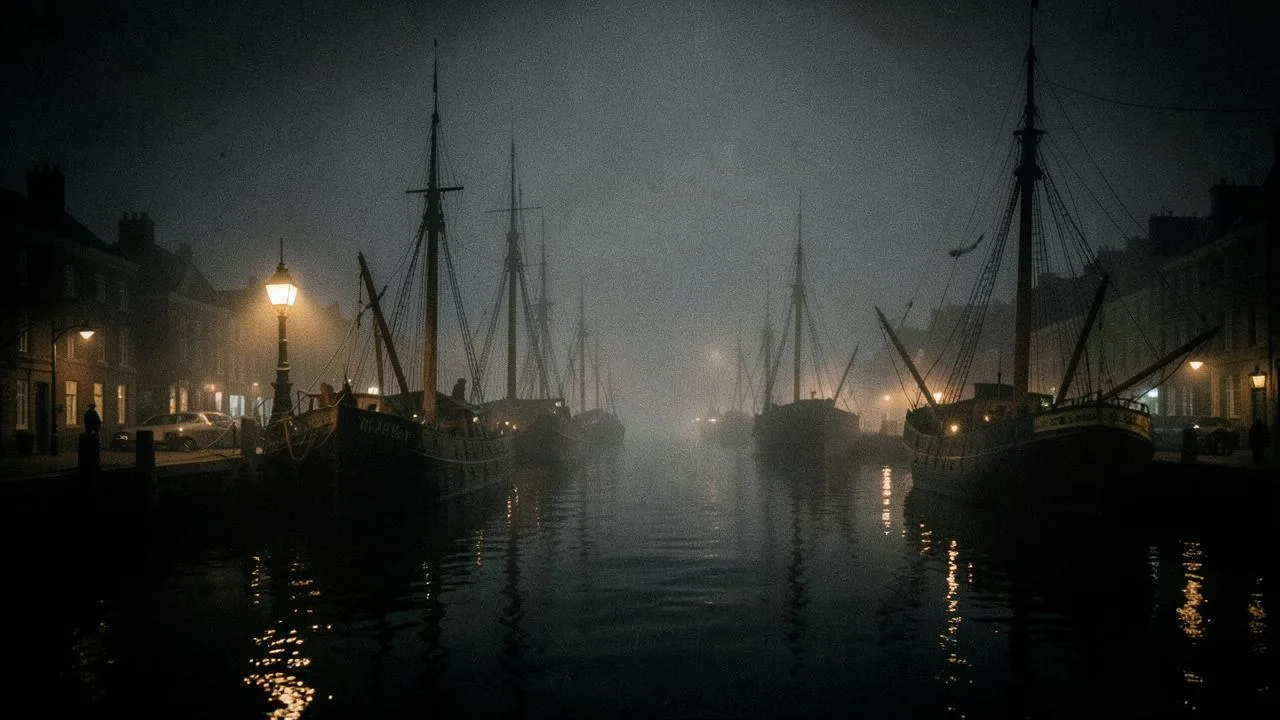
- 004Building the riverside districtHow distance, fog and gaslight turned a collection of streets into a place worth investigating.
- 005Writing consequences without scorecardsWhy the game remembers tone, timing and silence instead of reducing an interrogation to a score.
- 006Lighting London in 1897Gas, oil and early electric light each tell a different story about class, power and safety.